
Olympic Buzz: Navigating the Marketing Landscape for Brands
As the excitement around the Paris 2024 Olympic Games grows, we find ourselves witnessing a remarkable surge in global sports viewership. With projections indicating that sports viewership could exceed $320 billion by 2033, the fervor of the Olympics has never been more palpable. However, as marketing budgets tighten and competition for consumer attention becomes fiercer, brands are left pondering: Is participating in Olympic marketing worth the investment?
What’s in it for Brands?
One of the most enticing benefits of Olympic sponsorship is access to a vast, diverse, and highly engaged audience. Major international brands and local partners alike are vying for the chance to enhance their positive image and build deeper relationships with consumers. Local Italian giants such as ENEL, Intesa Sanpaolo, and Stellantis (the makers of FIAT and Maserati) are gearing up to shine on a global stage, amplifying their visibility during key moments.
According to Kantar’s Media Reactions study, campaigns that reach receptive audiences can be seven times more impactful. This creates a unique opportunity for brands to craft messages that resonate deeply and predispose audiences favorably.
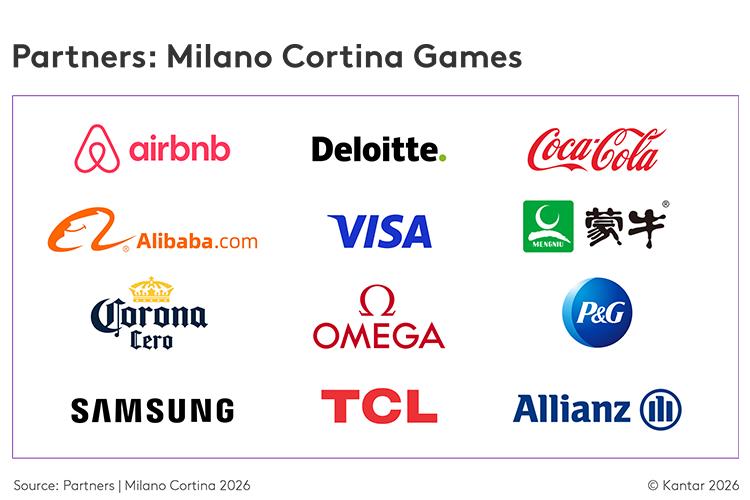
Interestingly, brands don’t necessarily need deep pockets to make a splash. At the Paris 2024 Games, Visa and Decathlon showcased innovative techniques in their marketing strategies. Rather than relying solely on traditional advertising, Visa made a mark through street art across Paris, generating an astonishing 1.2 billion potential impressions. Meanwhile, Decathlon’s sponsorship of volunteer uniforms led to engaging storytelling moments, including an immersive playground featuring live DJs and athlete interviews.
Apparel sponsorships also provide a dynamic stage for brands to showcase creativity and reinforce their brand identity. Established names like Ralph Lauren, Armani, and Lululemon leverage the Olympics to connect their design philosophy with the spirit of excellence, reinforcing their messages in the public eye.
Beyond Salience
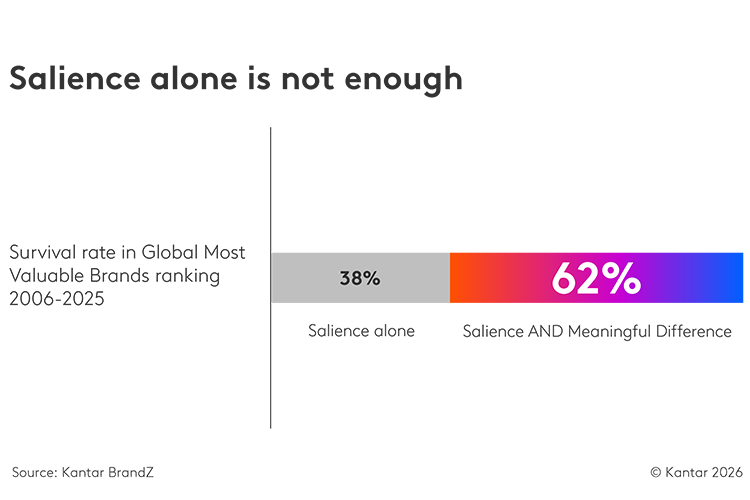
While many brands aim for increased awareness during the Olympics, the successful ones focus on much more than mere salience. The Olympic platform allows brands to share authentic stories and build more profound emotional connections with their audience.
Brands like Nike and Coca-Cola have shown that it’s possible to convey functional benefits while simultaneously creating bonds of trust and pride among consumers. This dual focus on salience and meaningful engagement is crucial for long-term growth. A review of Kantar BrandZ’s Top 100 Most Valuable Global Brands reveals that those relying solely on salience often struggle in comparison to brands that cultivate a meaningful difference through clear values and consumer benefits.
Real People, Real Stories
With the relaxation of restrictions on athlete brand endorsements at Paris 2024, the landscape for athlete sponsorships is flourishing. The world’s top athletes have become powerful marketing vehicles, generating impressive off-field earnings. Engaging with real-life athletes provides brands with built-in credibility, emotional investment, and rich narrative possibilities.
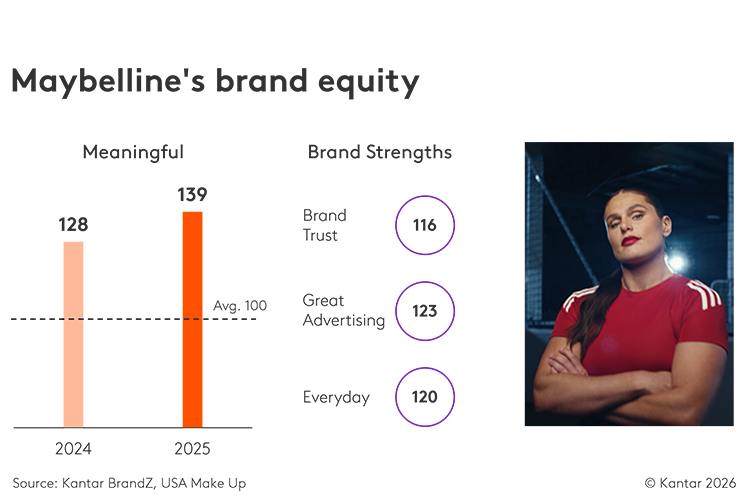
Athletes like Ilona Maher exemplify the power of personal narratives in marketing. Her partnership with Maybelline highlights values of body positivity and confidence, aligning with the brand’s message of inclusivity and self-expression. Since her rise in the Olympics, Maher’s success showcases how authentic stories can significantly elevate brand trust.
With anticipation building for the Winter Olympics, storytelling promises to be just as captivating. Athletes like Lindsey Vonn and Eileen Gu are becoming cultural icons, embodying the intersection of sport, fashion, and personal narratives. The buzz surrounding creative ventures like the romantic ice hockey show, Heated Rivalry, indicates how cultural narratives can reshape public perceptions and broaden audiences, particularly among demographics previously less engaged.
Presence with Purpose
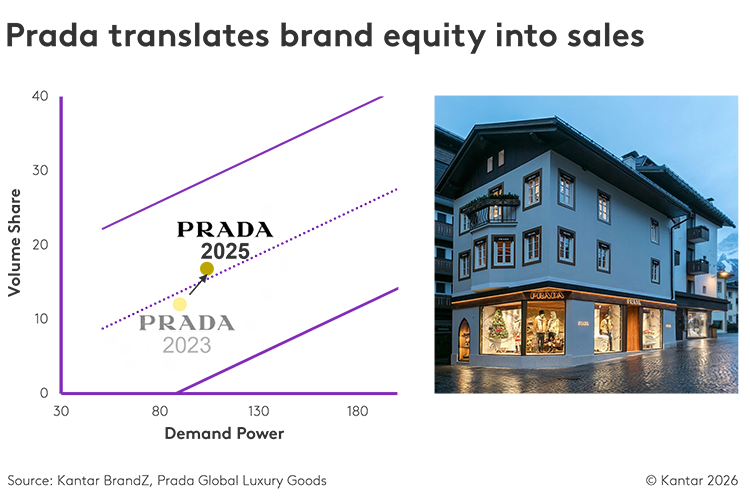
Effective marketing during the Olympics transcends traditional advertising; the physical presence of a brand plays a vital role in shaping public perception. Research indicates paid media constitutes only about 25% of brand perceptions, while direct experience and word of mouth contribute significantly to consumer understanding.
Luxury brands like Prada are capitalizing on this insight by creating immersive experiences for affluent Olympic tourists. Their new boutique in Corso Italia exemplifies how brands can engage consumers beyond simple advertisements, turning brand equity into tangible sales by resonating with cultural moments and consumer interests.
Takeaways for Brands
In this competitive landscape, brands must prioritize their efforts wisely to not only capture attention but also foster lasting connections with consumers:
- Build beyond Salience: It’s essential to meet consumer needs while distinguishing your brand from competitors.
- Tell Real Stories: Authentic storytelling rooted in your brand’s identity can drive meaningful connections.
- Show Up Where It Matters: Creating dynamic experiences that embody the essence of your brand is key to building loyalty.
As brands navigate these considerations, valuable insights await them in Kantar BrandZ’s 20th anniversary report, showcasing the intersection of effectiveness and cultural resonance in branding today. For a quick glimpse into brand performance comparisons, Kantar offers BrandSnapshot, an interactive tool designed to equip marketers with real-time intelligence on thousands of brands.