
NCAA Calls for Suspension of College Sports Prediction Markets
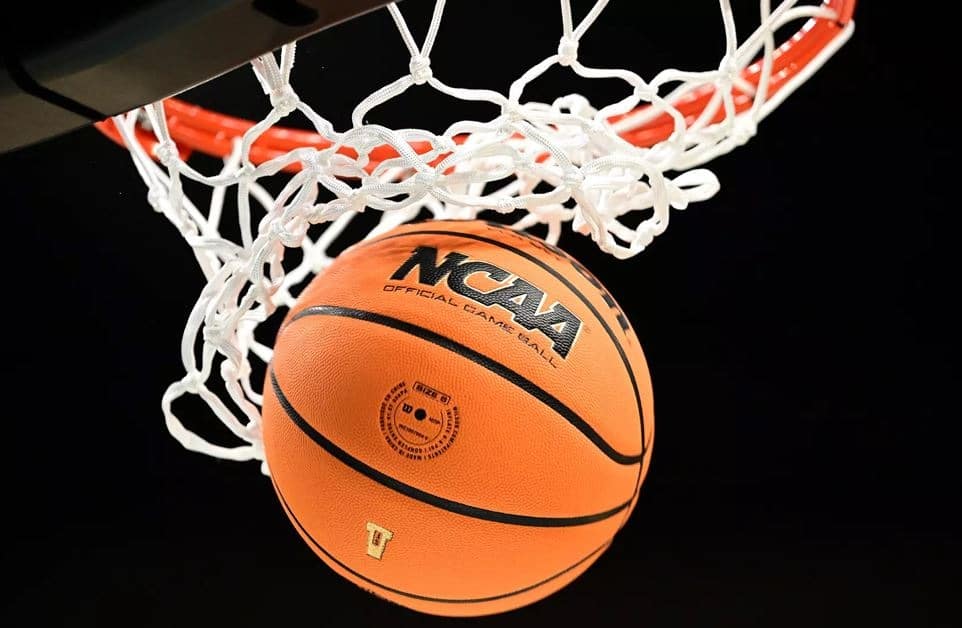
On Wednesday, NCAA President Charlie Baker urged the Commodity Futures Trading Commission (CFTC) to pause all college sports prediction market operations. This call to action highlights growing concerns about the implications of these markets for student-athletes and the integrity of college sports.
Willingness to Collaborate with CFTC
In a recent letter to the CFTC, the NCAA expressed its desire to collaborate on developing regulations that would provide essential protections for student-athletes and the broader college sports landscape. Baker emphasized the importance of creating “necessary guardrails” to ensure the safety and well-being of all involved.
The NCAA’s request outlines several key safeguards, including:
- Age Restrictions: Implementing strict age limits to ensure that only eligible participants engage in these markets.
- Advertising Guidelines: Crafting policies to limit the exposure of college athletes to potentially exploitative advertising.
- Integrity Monitoring: Enhancing mechanisms to monitor betting activities for any irregularities or unethical practices.
- Harm Reduction Resources: Offering support and resources aimed at reducing the potential negative impacts of participation in prediction markets.
While prediction markets are not technically classified as gambling, they have raised alarms with lawmakers and sports regulators who view them as potential gateways to illegal activities involving student-athletes.
Baker articulated the urgency of the situation, stating, “I implore you to suspend collegiate sport prediction markets until a more robust system with appropriate safeguards is in place.” His concerns reflect a broader sentiment that existing frameworks are inadequate and could compromise the integrity of college sports.
Widespread Availability of Prediction Markets
One of the significant differences between traditional sports betting and prediction markets is their accessibility. Traditional sportsbooks are authorized to operate in 39 states and the District of Columbia, primarily targeting bettors aged 21 and older. In contrast, prediction markets are accessible in all 50 states for individuals aged 18 and up, raising further concerns about their impact on younger student-athletes.
Some operators in the prediction market space leverage global compliance technologies to enhance integrity. For example, Kalshi, a CFTC-regulated prediction market company, partners with IC360, a firm specializing in monitoring betting activities for any irregularities, including those that could affect college sports.
Despite these measures, Baker acknowledged that even with the implementation of these technologies, current platforms still struggle to effectively trace the geolocation of bettors, which could pose further risks.
NCAA’s Ongoing Commitment to Integrity
In light of the evolving landscape of legalized sports betting, the NCAA has taken proactive measures to fortify the integrity of college athletics. Their integrity monitoring program serves several functions, including:
- Education Initiatives: Both online and in-person educational resources aim to inform student-athletes about the risks associated with betting.
- State Advocacy: Engaging in advocacy efforts to promote the removal of proposition bets that could disproportionately affect student-athletes.
- Anti-Harassment Monitoring: Implementing systems to track and report harassment related to betting.
- Social Change Campaigns: Promoting initiatives aimed at changing societal perceptions surrounding sports betting.
Through these efforts, the NCAA seeks to empower student-athletes and safeguard their interests in an environment where betting is becoming increasingly normalized.
In summary, as the NCAA pushes for regulatory changes and greater safeguards around college sports prediction markets, it highlights a critical moment for the intersection of sports, gambling, and regulatory oversight. The landscape is rapidly evolving, and the conversation around protection for student-athletes is more crucial than ever.